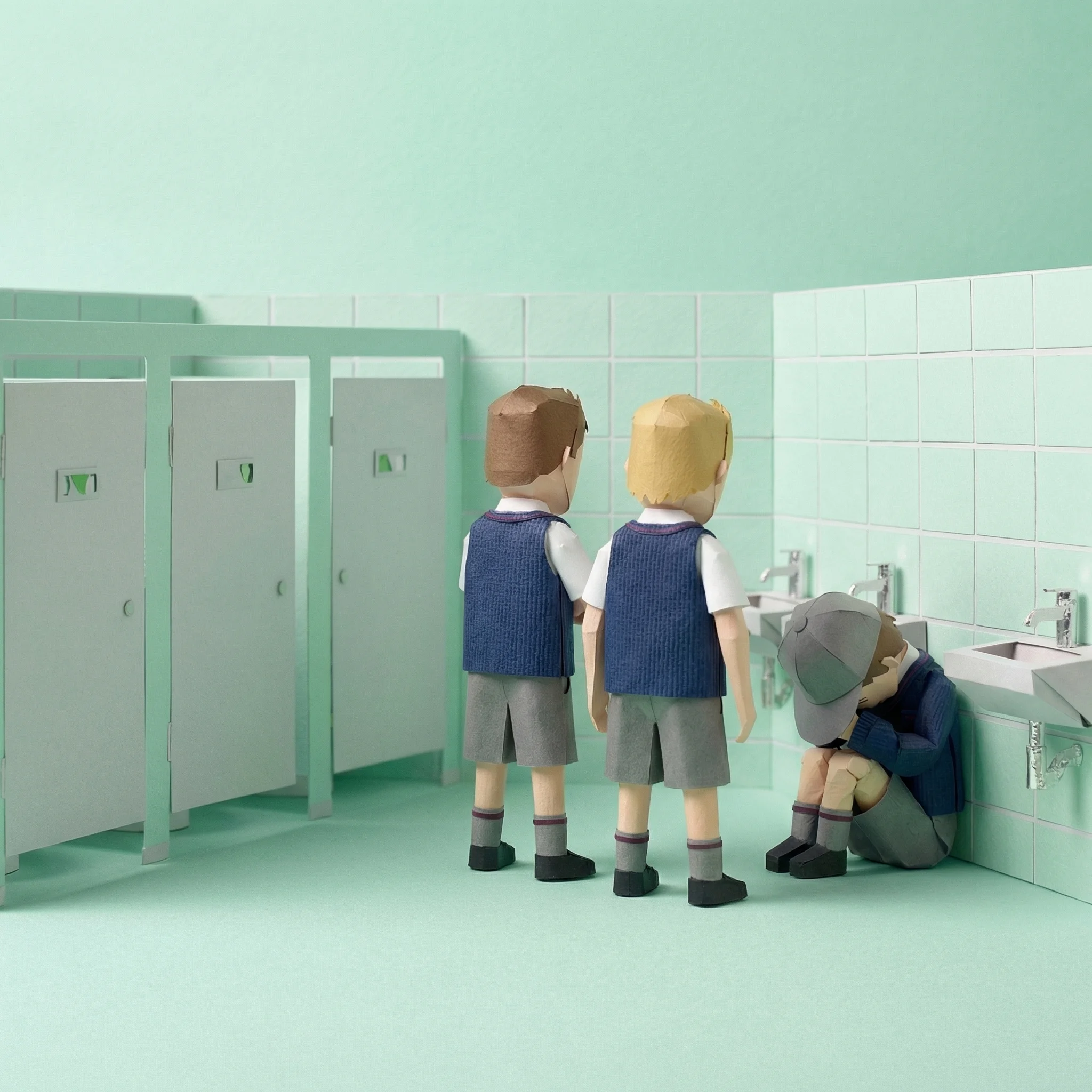
A student hits another in the bathroom
An authorised deputy searches for relevant passes to the selected bathroom destination, then reviews that chronology alongside student accounts, staff observations and other available information.
Vero organises teacher-created passes, expected destinations and associated times for authorised review. Use the record alongside student accounts, staff observations and professional judgement.







Behaviour systems may record incidents without the related pass chronology. Vero adds searchable teacher-created pass data without treating movement as a prediction or finding of misconduct.
A behaviour entry may not show which passes were active, the selected destinations or the associated times. Vero makes that separate chronology searchable.
A neutral pass chronology can give families and staff a shared starting point, while the student's account and wider context remain essential.
Pass frequency may prompt staff to check learning, health, wellbeing or operational context. It is not, by itself, a behaviour signal or diagnosis.
Authorised staff can sort records by date range, count, open duration or selected destination, then validate the entries and decide whether any contextual review is appropriate.
For a parent conversation, authorised staff can share a neutral pass record showing frequency, duration, periods and selected destinations. Explain the record's limits and review it alongside the student's account.
Changes in pass frequency, duration or selected destinations can invite a supportive conversation. They do not diagnose anxiety, establish avoidance or replace professional judgement.
These examples use sample data to show the workflow. They are not customer outcomes, diagnoses or proof of misconduct.
An authorised deputy searches for relevant passes to the selected bathroom destination, then reviews that chronology alongside student accounts, staff observations and other available information.
A sample report shows 6.3 teacher-created passes per day, averaging 14 minutes. Leadership checks the data quality and context before deciding whether a conversation or support pathway is appropriate.
A sample pass record changes from one counsellor destination per fortnight to two per week. The pattern is an invitation to check context, not a diagnosis or conclusion about the student.
Student A has an active pass when Student B's teacher creates another. Smart Separation shows the staff-defined conflict; the teacher can wait or override with a recorded reason.

Record late arrivals and review authorised Vero entries in context.
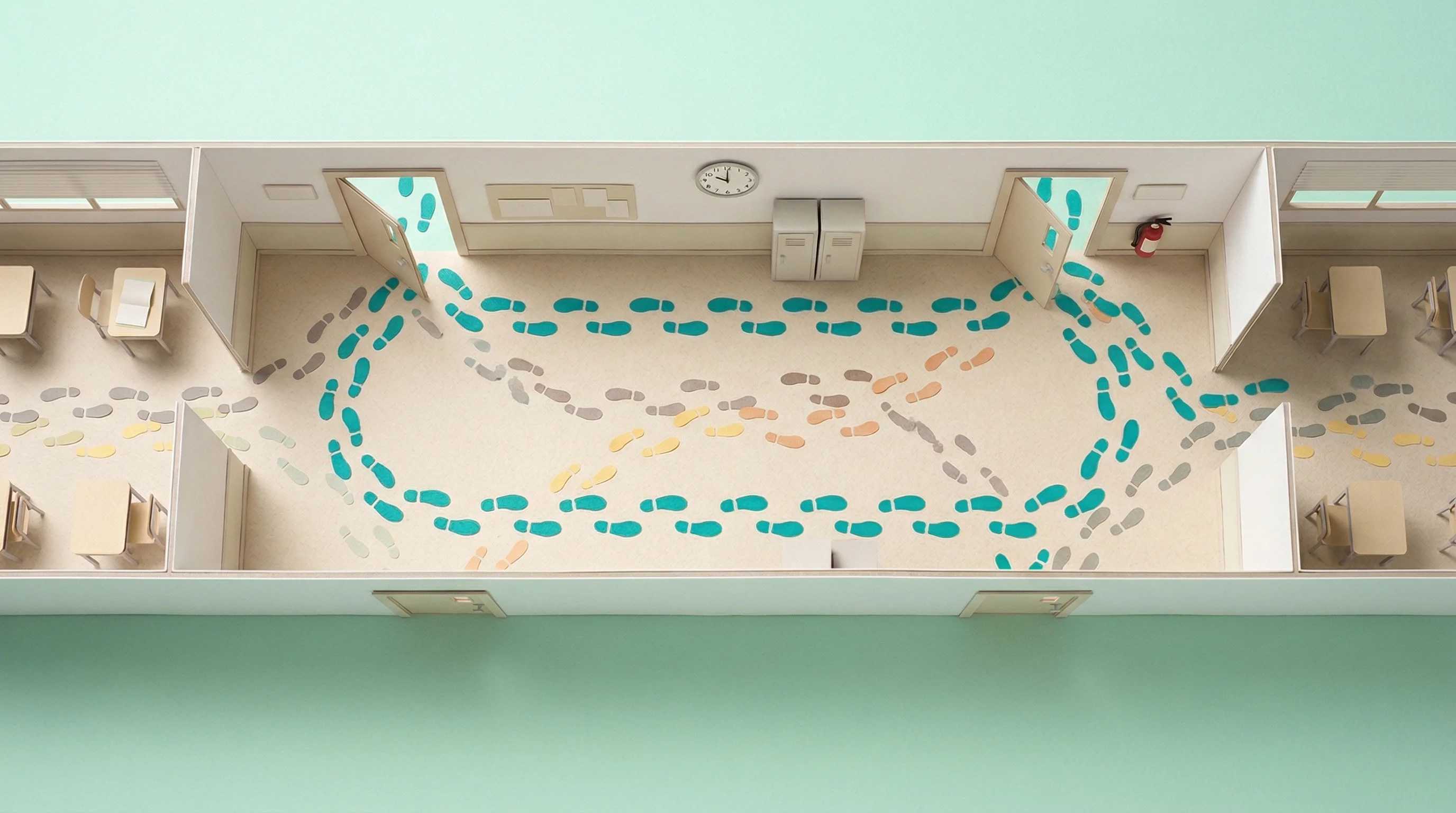
Record passes to configured support destinations with restricted access and school-led follow-up.

How to evaluate a staff-facing out-of-class pass workflow with teachers.

Book a 20-minute walkthrough to review staff-created records, school-defined review rules, access controls and the one-term pilot option.